Why Air Fryer Poached Eggs Are Becoming So Popular
Poached eggs are a breakfast favorite around the world, thanks to their tender whites and rich, silky yolks. Traditional poaching, however, can be a little intimidating. It often involves simmering water, careful timing, swirling the water, and making sure the egg holds its shape.
For many home cooks, the process can feel more complicated than it needs to be. The whites can spread, the yolk can become overcooked, or the egg may lose its delicate shape.
That is why air fryer poached-style eggs have become such a convenient alternative. They offer a simple, beginner-friendly way to make soft eggs with minimal effort and less mess.
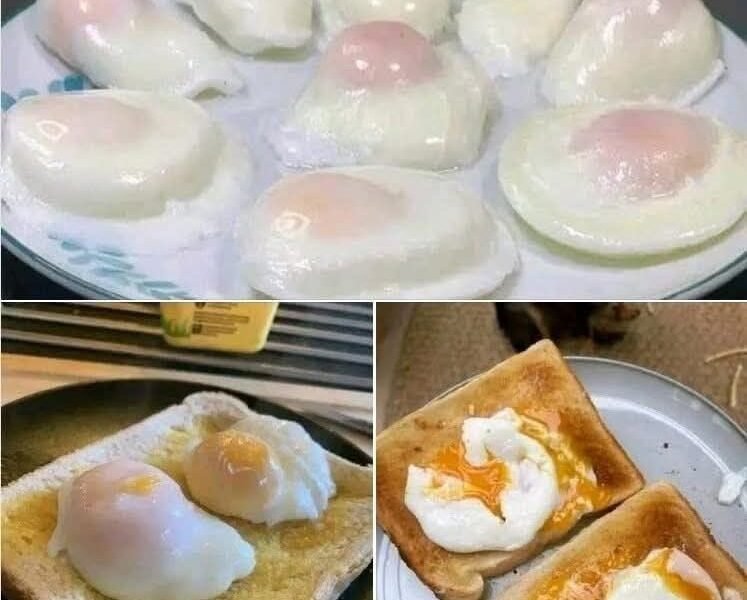
Technically, these eggs are softly baked and steamed rather than traditionally poached in water. However, the finished texture can be remarkably similar: tender whites surrounding a warm, creamy, runny yolk.
Once you find the right cooking time for your particular air fryer, this method can become one of the easiest ways to prepare soft eggs at home.
What Makes Air Fryer Eggs Different from Traditional Poached Eggs?
Traditional poached eggs are cooked directly in gently simmering water. The water surrounds the egg and allows the whites to set while the yolk remains soft.
With the air fryer method, the egg is placed in a small ramekin or silicone cup. A small amount of water creates steam during cooking, helping the egg cook gently while maintaining moisture.
The result is a soft, delicate egg with:
- Tender whites
- Creamy, flowing yolks
- A smooth texture
- Easy cleanup
- Less hands-on work
This makes air fryer eggs especially useful on busy mornings when you want a satisfying breakfast without standing over the stove.
Why the Air Fryer Method Works So Well
An air fryer provides consistent circulating heat, while the ramekin keeps the egg contained. Unlike traditional poaching, there is no need to swirl water or add vinegar to help the egg white hold together.
Benefits of Using an Air Fryer
- Consistent cooking
- Minimal hands-on preparation
- Easy single servings
- Less mess than stovetop poaching
- No complicated water technique
- Quick cleanup
- Beginner-friendly preparation
The method is particularly appealing if you enjoy soft eggs but find traditional poaching difficult to master.
Ingredients for Air Fryer Poached-Style Eggs
One of the biggest advantages of this recipe is how simple it is.
Main Ingredients
- Large eggs
- Water
- Cooking spray, olive oil, or melted butter for greasing
Optional Flavor Enhancers
Once your eggs are cooked, you can customize them with ingredients such as:
- Fresh chives
- Sea salt
- Cracked black pepper
- Smoked paprika
- Chili flakes
- Garlic powder
- Fresh dill
- Parmesan cheese
- Hot sauce
- Sautéed spinach
- Mushrooms
- Avocado
- Olive oil
These additions let you keep the basic recipe simple while creating a different breakfast whenever you want.
What Type of Eggs Work Best?
Fresh eggs are generally the best choice because their whites tend to hold together better. Older eggs can have thinner whites that spread more easily.
For the best results, look for fresh:
- Free-range eggs
- Organic eggs
- Cage-free eggs
- Farm-fresh eggs
The most important factor, however, is freshness rather than the specific label on the carton.
The Secret to Soft Yolks and Tender Whites
The key to achieving a soft, delicate texture is gentle cooking with moisture.
Instead of exposing the egg to intense dry heat for an extended period, the small amount of water helps create a moist cooking environment.
Important Techniques
1. Add a Small Amount of Water
Water helps generate steam and prevents the egg from drying out.
2. Preheat the Air Fryer
Starting with a preheated air fryer helps create a more consistent cooking environment.
3. Use Moderate Heat
A temperature of around 350°F (175°C) works well as a starting point.
4. Pay Attention to Cooking Time
Even a difference of 30–60 seconds can noticeably change the texture of the yolk, so check the eggs early the first time you make them.
How to Make Air Fryer Poached Eggs
Step 1: Preheat the Air Fryer
Preheat your air fryer to 350°F (175°C) for approximately 2–3 minutes.
Preheating helps the eggs begin cooking at a consistent temperature.
Step 2: Prepare the Cooking Cups
Lightly grease small ramekins, silicone egg cups, or custard dishes with:
- Cooking spray
- Olive oil
- Melted butter
Greasing the dishes helps prevent sticking and makes the eggs easier to remove.
Step 3: Add the Eggs
Crack one egg into each prepared ramekin.
Try to keep the yolk intact for the classic soft-centered appearance.
Step 4: Add Water
Add approximately 1 tablespoon of water to each ramekin.
The water creates steam as the egg cooks, helping keep the whites tender and moist.
Step 5: Air Fry
Carefully place the ramekins in the air fryer basket. Leave enough space between them to allow hot air to circulate.
As a general starting point:
| Desired Texture | Approximate Cooking Time |
|---|---|
| Extra-runny yolk | 5–6 minutes |
| Soft, poached-style yolk | 6–7 minutes |
| Jammy center | 8 minutes |
| Medium yolk | 9 minutes |
| Fully set yolk | 10 minutes |
Cooking times can vary depending on your air fryer, egg size, ramekin thickness, and whether the eggs are cold or at room temperature.
For that reason, it is best to check the eggs early the first time you try the recipe.
Step 6: Remove Carefully
Ramekins become extremely hot during cooking. Use oven mitts or heat-resistant tongs to remove them.
Let the eggs rest for approximately 30 seconds. Then gently run a spoon around the edge and lift the egg from the ramekin.
How to Get a More Traditional Poached-Egg Texture
If you want the whites to be especially soft and delicate, you can experiment with additional moisture.
Loosely Cover the Ramekins
Covering the ramekins loosely with foil can help retain steam during cooking.
Use Heat-Safe Lids
If your cooking cups come with heat-safe lids designed for air fryer use, they can help create a more enclosed, moist environment.
The additional steam may help produce a texture that more closely resembles a traditionally poached egg.
Common Mistakes and How to Avoid Them
Whites Are Too Firm
This usually means the eggs have cooked for too long.
Try this:
- Reduce the cooking time slightly.
- Check the eggs earlier.
- Make sure your air fryer is not running hotter than expected.
Whites Are Still Translucent
If the whites have not fully set, return the eggs to the air fryer for another 30–60 seconds.
Eggs Stick to the Ramekin
Insufficient greasing can make the eggs difficult to remove.
Try this:
- Grease the ramekin more thoroughly.
- Use a nonstick cooking spray.
- Try silicone egg cups.
Yolks Are Overcooked
Eggs continue cooking for a short time after they are removed from the air fryer.
Try this:
Remove them slightly earlier and allow them to finish cooking from residual heat.
Cooking Several Eggs at Once
You can prepare multiple eggs at the same time as long as the ramekins fit comfortably in the basket.
Avoid overcrowding or stacking the cups. Proper airflow is important for even cooking.
Creative Flavor Variations
Air fryer poached-style eggs are easy to customize.
Try topping them with:
- Smoked paprika
- Fresh herbs
- Parmesan cheese
- Hot sauce
- Chili oil
- Crème fraîche
- Sautéed spinach
- Mushrooms
- Roasted garlic
For a more substantial breakfast, place sautéed vegetables in the bottom of the ramekin before adding the egg.
Best Ways to Serve Air Fryer Poached Eggs
Soft eggs can be incorporated into almost any breakfast or light meal.
Try serving them:
- On avocado toast
- Over sautéed greens
- In breakfast grain bowls
- With roasted potatoes
- In breakfast sandwiches
- Over rice with chili oil
- On fresh salads
- On toasted sourdough
- With homemade Eggs Benedict
The creamy yolk can also act as a natural sauce when served over toast, vegetables, or grains.
Nutritional Benefits of Eggs
Eggs are a convenient source of high-quality protein and several important nutrients.
A large egg provides approximately:
- 70 calories
- 6 grams of protein
- 5 grams of fat
- Less than 1 gram of carbohydrates
Eggs also provide nutrients such as vitamin D, vitamin B12, selenium, and choline.
Because they are filling and protein-rich, eggs can be a useful addition to:
- High-protein breakfasts
- Lower-carbohydrate meals
- Balanced meal plans
- Quick breakfasts
- Simple meal-prep routines
Helpful Tips for the Best Results
Use Fresh Eggs
Fresh eggs generally have whites that hold together better.
Try Room-Temperature Eggs
Allowing eggs to warm slightly before cooking may help them cook more evenly, although refrigerated eggs can still work well.
Check Early
Air fryers vary considerably. Start checking the eggs before the recommended time is complete until you know how your appliance behaves.
Let Them Rest Briefly
A short resting period makes the eggs easier to handle and allows carryover cooking to finish the whites.
Undercook Slightly for Eggs Benedict
If you are serving the eggs with warm Hollandaise sauce, consider removing them slightly early because they will continue cooking after they leave the air fryer.
Why Air Fryer Poached Eggs Are Perfect for Busy Mornings
Convenience is one of the biggest reasons air fryer eggs have become so appealing.
The method offers:
- Simple preparation
- Minimal hands-on cooking
- Easy cleanup
- Consistent results once you learn your air fryer’s timing
- A protein-rich breakfast option
Most importantly, you do not need to master the traditional swirling-water technique to enjoy a soft, elegant egg.
Final Thoughts
Air fryer poached-style eggs show how a simple kitchen appliance can make a traditionally tricky breakfast much easier.
By combining moderate heat with moisture, the air fryer can produce tender whites and beautifully soft yolks without the fuss of traditional stovetop poaching.
Serve them over avocado toast, sourdough, roasted potatoes, grain bowls, salads, or Eggs Benedict for an easy breakfast that feels a little more special.
Once you determine the ideal cooking time for your air fryer, this method can become a dependable part of your breakfast routine.
Simple Air Fryer Poached-Style Eggs Recipe
Preparation Time: 5 minutes
Cooking Time: 6–8 minutes
Total Time: 10–13 minutes
Servings: 1–2
Ingredients
- 1 large egg per ramekin
- 1 tablespoon water per ramekin
- Cooking spray, olive oil, or melted butter
Optional Toppings
- Salt
- Black pepper
- Chopped chives
- Smoked paprika
- Hot sauce
- Fresh herbs
- Parmesan cheese
Instructions
1. Preheat the Air Fryer
Preheat the air fryer to 350°F (175°C) for 2–3 minutes.
2. Grease the Ramekins
Lightly coat the ramekins or silicone egg cups with cooking spray, olive oil, or butter.
3. Add the Eggs
Crack one egg into each ramekin, taking care not to break the yolk.
4. Add the Water
Add approximately 1 tablespoon of water to each ramekin to create steam during cooking.
5. Air Fry
Place the ramekins in the air fryer basket and cook at 350°F (175°C).
- 5–6 minutes: Runny yolk
- 6–7 minutes: Soft, poached-style texture
- 8–9 minutes: Jammy yolk
- 9–10 minutes: Medium yolk
Begin checking early, especially if you are using a new air fryer.
6. Remove Carefully
Use oven mitts or heat-safe tongs to remove the hot ramekins.
Allow the eggs to rest briefly before gently lifting them from the cups.
7. Serve Immediately
Season with salt and pepper, add your favorite toppings, and serve while warm.
Quick Tips
- Choose fresh eggs for better structure.
- Avoid overcrowding the air fryer.
- Check the eggs early the first time.
- Adjust the cooking time to suit your preferred yolk consistency.
- Experiment with loosely covering the ramekins if you prefer softer whites.
Serving Suggestions
Pair your air fryer poached-style eggs with:
- Avocado toast
- Toasted sourdough
- Breakfast grain bowls
- Roasted potatoes
- Breakfast sandwiches
- Eggs Benedict
- Fresh green salads
- Sautéed spinach and mushrooms
With just a few ingredients and a little practice, air fryer poached-style eggs can turn a simple breakfast into something quick, comforting, and delicious.